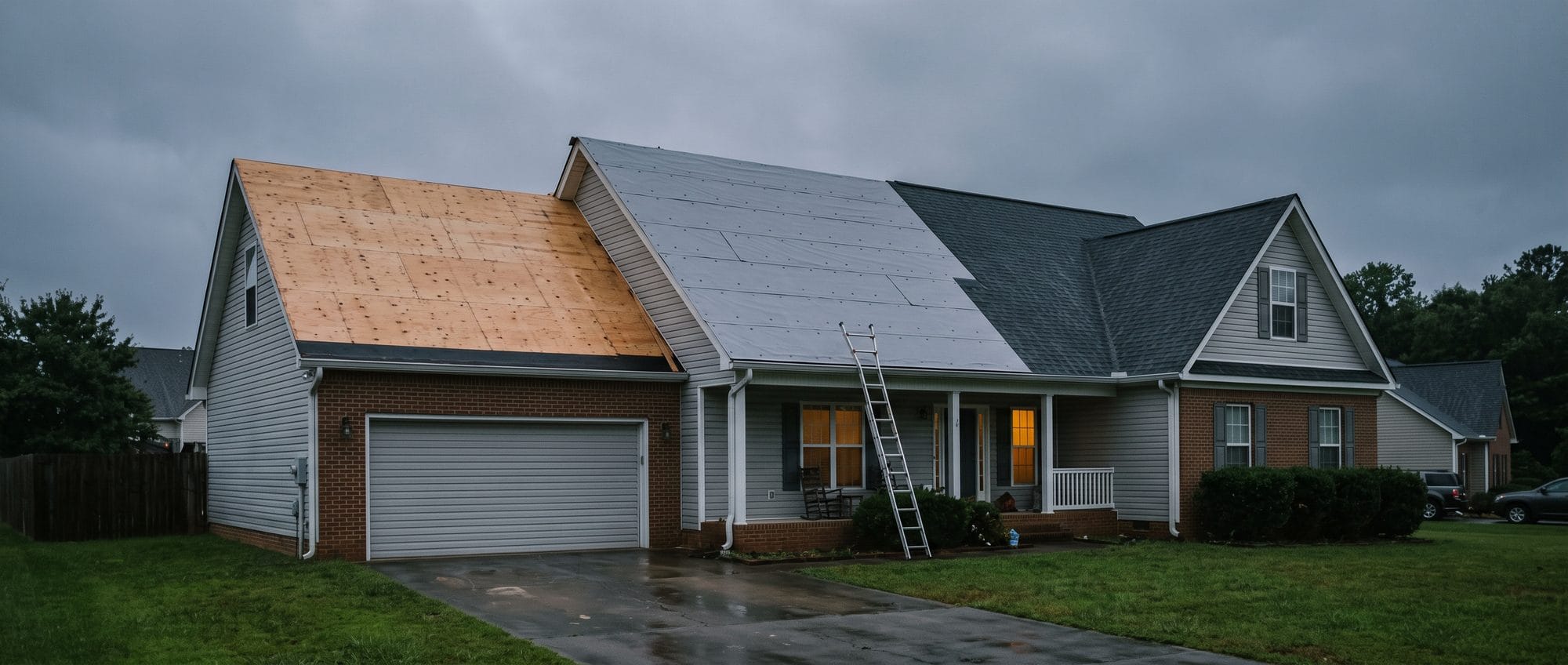
How a job goes
The Lockridge Way
Seven steps from the first free inspection to the warranty certificate, including the two that only apply if you are filing an insurance claim.
These two steps only happen if you are filing a claim. If you are buying a roof, the sequence skips straight past them.
01
The call and the free inspection
Someone from here comes out — a named project manager who lives in the area you live in, not a canvasser working a neighborhood — gets on the roof, and looks. It takes about forty-five minutes. It is free, and it commits you to nothing. Worth being explicit about the part people worry about: a free inspection is not an insurance claim, it does not open one, and it does not notify your carrier of anything.
02
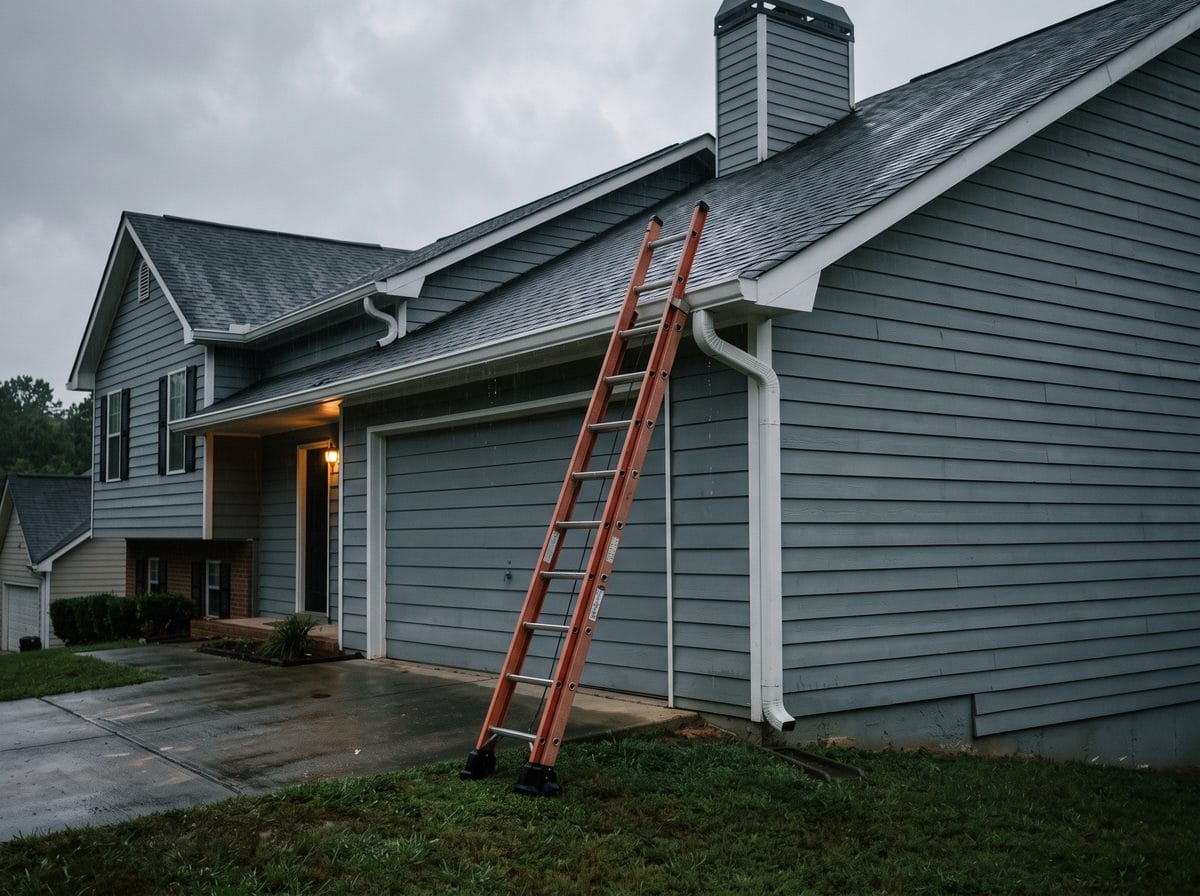
What we found, in writing
Dated photographs of every slope, every penetration and anything we counted, plus a written scope where there is something to scope, plus a plain answer in one of three words: damage, no damage, or borderline. If it is borderline we will tell you what makes it borderline rather than rounding it in whichever direction suits us.
You get: Photo report and written scope

03
Your decision: insurance or retail
If there is storm damage you may have a claim. That call is yours and your agent's — we can tell you what is on your roof and we cannot tell you what to do about your policy, and any roofer who does is advising you on a contract they have not read. If you would rather just buy a roof, we price it and skip the next two steps entirely.
04
Insurance path
The adjuster meeting
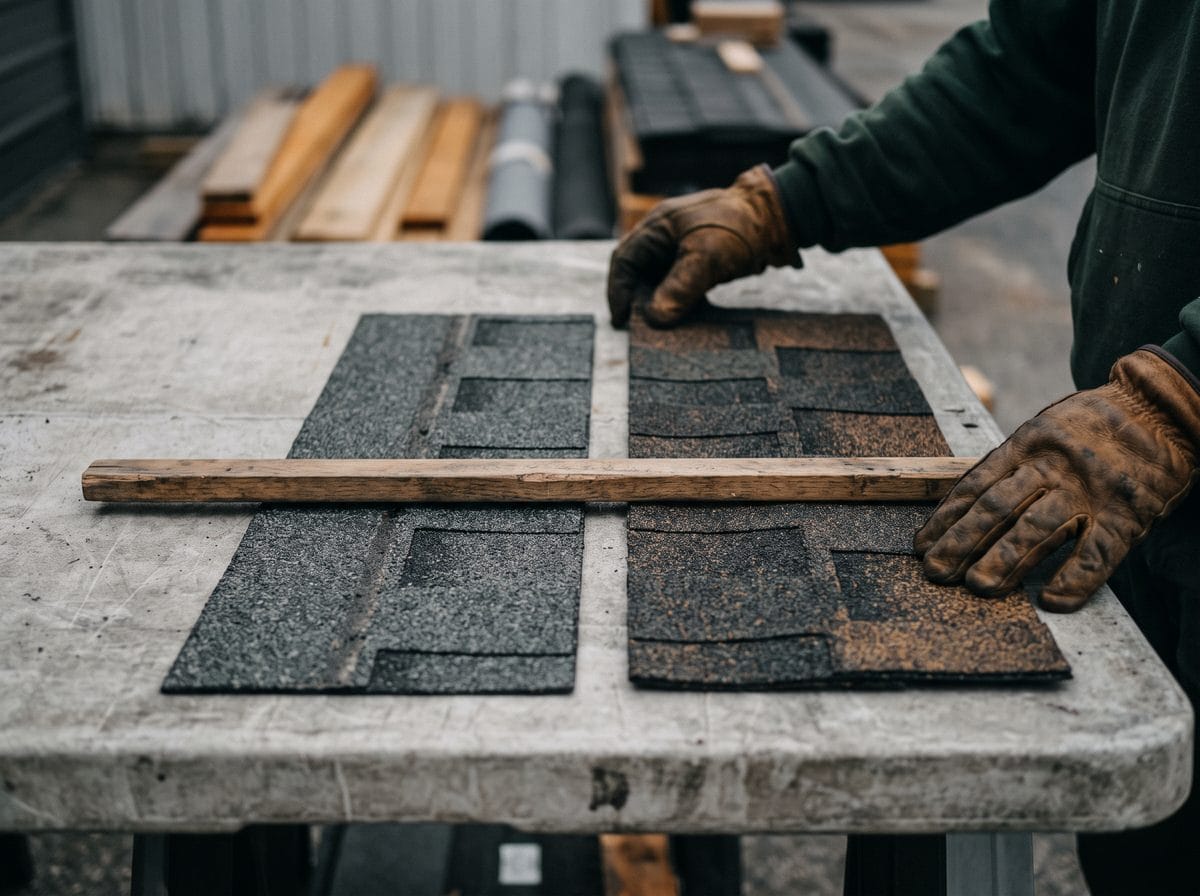
Your carrier sends an adjuster out. Your project manager is on the roof at the same time, with the same photographs and the same measurements, so that everybody present is looking at the same roof and describing it in the same terms. We are there to document and to answer questions about what we found. We are not there to argue with anyone about your claim.
You get: Scope comparison
05
Insurance path
Supplements and approvals
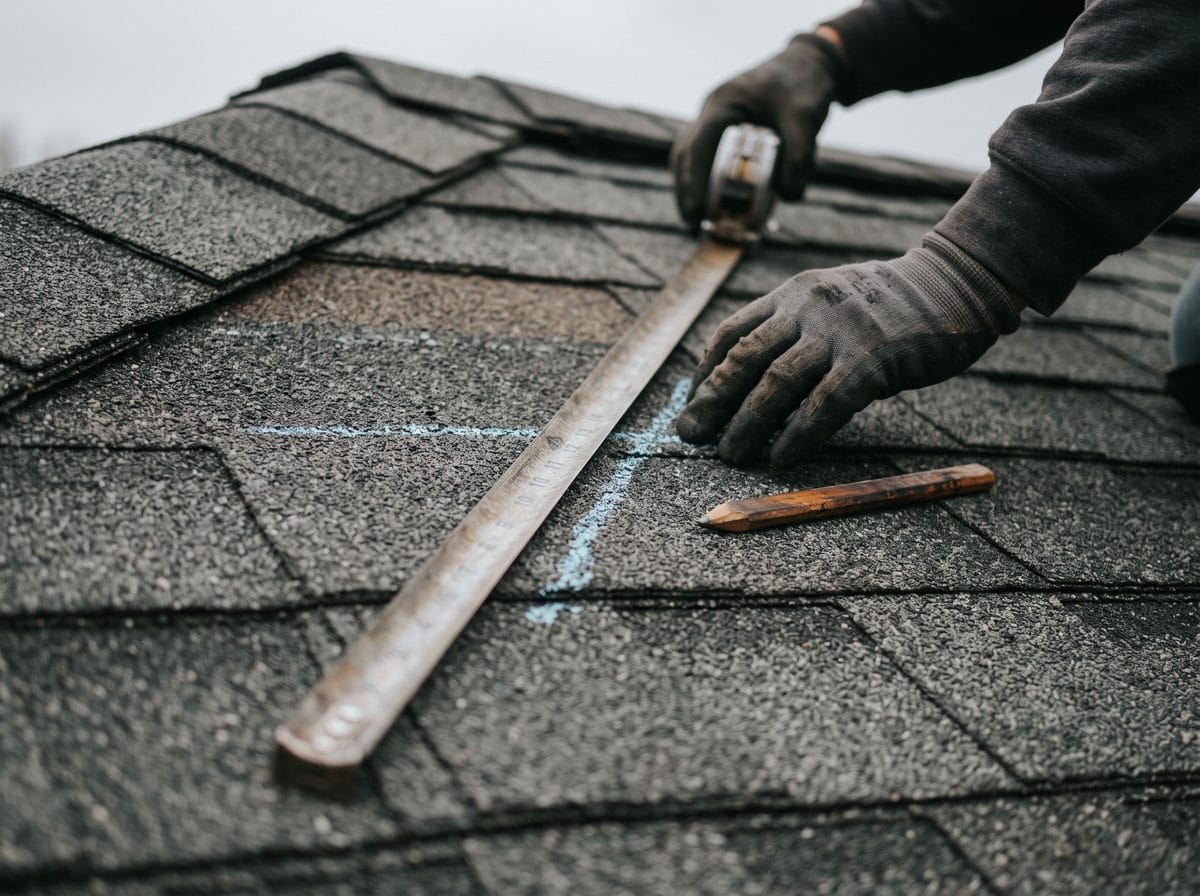
A carrier's first scope frequently misses items the building code or the manufacturer's instructions actually require — ice-and-water membrane where code calls for it, drip edge, ridge ventilation, decking at the rate it genuinely needs replacing rather than a nominal allowance. Our supplements specialist documents those items with the code reference and submits them to your carrier, for the carrier to determine. That is documentation, not negotiation, and the distinction is a legal one in Georgia rather than a stylistic one.
You get: Supplement packet
06
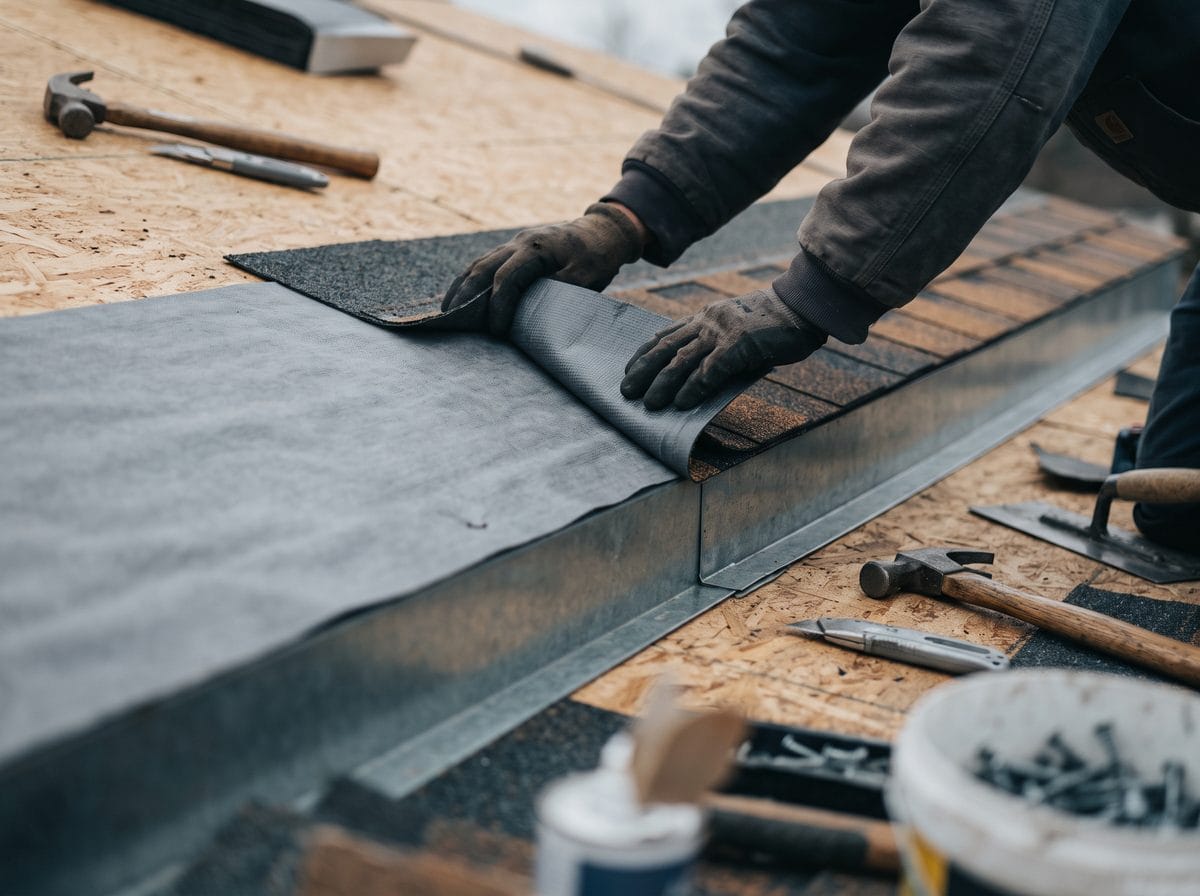
Permit, materials, and the build
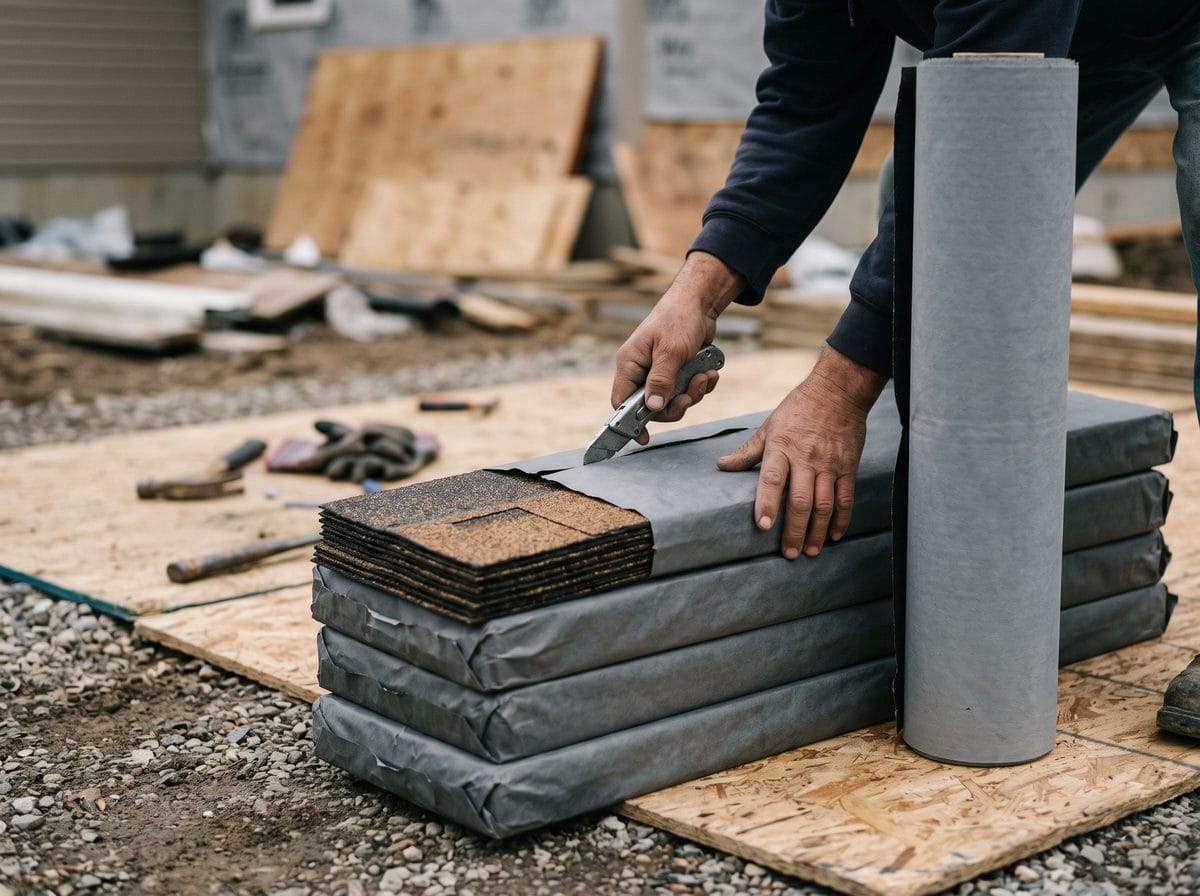
Our permit technician pulls the permit — and where a jurisdiction has not published an answer, gets one in writing before anything is ordered. Materials are delivered to your driveway on plywood, not to your lawn. Most residential roofs are one day; we tell you in advance if yours is two. You get a start time, and somebody stays until the drive, the lawn and the beds have been magnet-swept.
You get: Permit and completed roof
07
Final inspection, registration, warranty
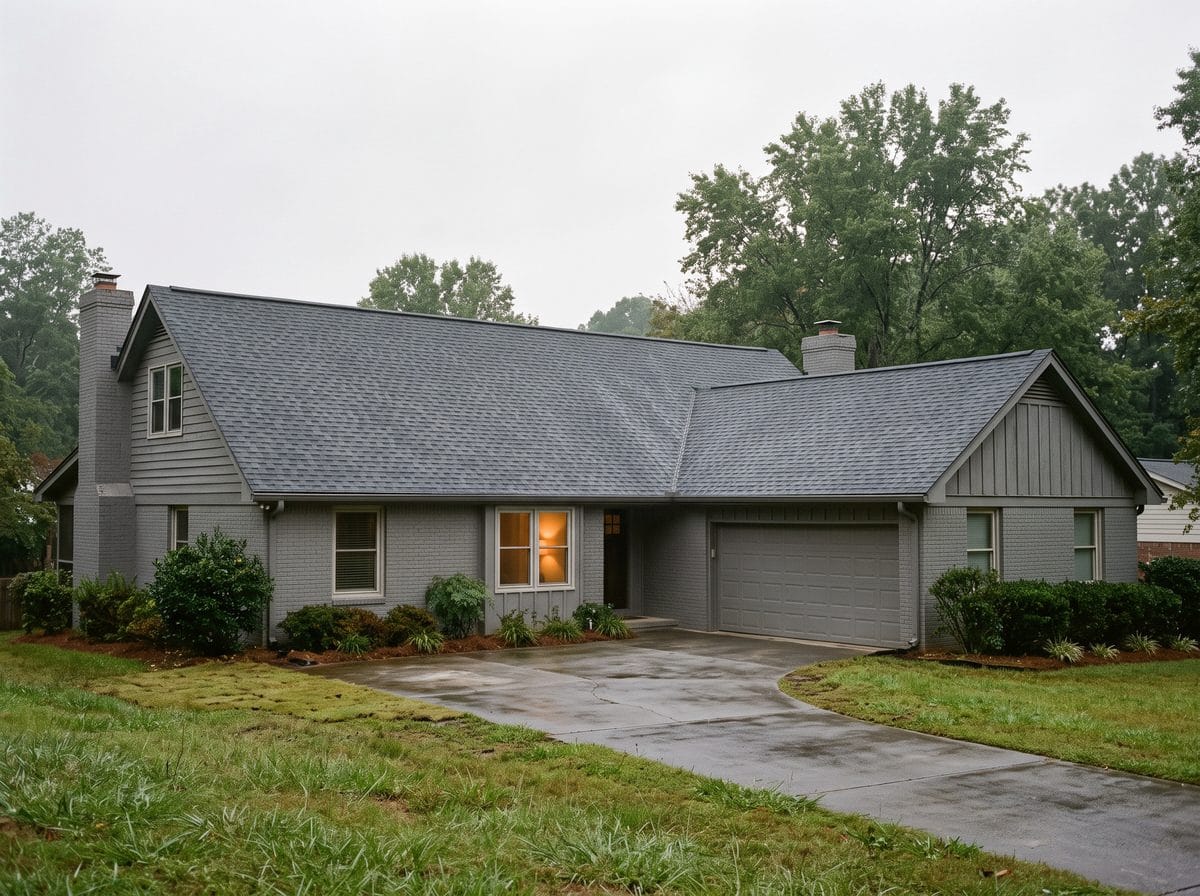
The county or city final gets scheduled and passed. The manufacturer's material warranty is registered within forty-eight hours and the registration comes to you. And the ten-year workmanship warranty goes in your hand, with its exclusions printed on the same page as its coverage, because a warranty you have to ask for the exclusions to is not a warranty.
You get: Warranty certificate
The ten-year workmanship warranty
10 years from the date of final inspection. Transferable once, to the buyer, if you sell the home — at no charge, and with no form to buy.
Covered
- Leaks caused by how we installed the roof — fastening, flashing, valley and penetration detail, underlayment, ridge and eave detail
- The interior damage that our leak caused: if water gets in because of our work, we come back and fix the roof and we fix what it ruined underneath
- Re-detailing anything we installed that has failed because of the way we installed it, for the full term
Not covered
- The shingles themselves — those carry the manufacturer's own written warranty, which is a separate document with separate terms
- Damage from a later storm, hail, or wind event
- Impact damage, including a tree or a limb
- Foot traffic, including anyone else's
- Structural movement of the building
- Ice damming on a roof pitched below the system's rated minimum slope
- Work performed by anyone else after us, on any part of the assembly
- Anything on a roof we did not install
Two documents, not one. Ours covers our work for ten years. The manufacturer's covers their product for whatever term and under whatever conditions they set — we register it within forty-eight hours of the final inspection and give you the registration, but we did not write it and we cannot change it.
The full written terms are part of your contract. They are handed to you at completion, and we will email you a copy any time you ask.
Get on the roof and know for sure.
Forty-five minutes, dated photographs, a written answer, and no obligation of any kind.